
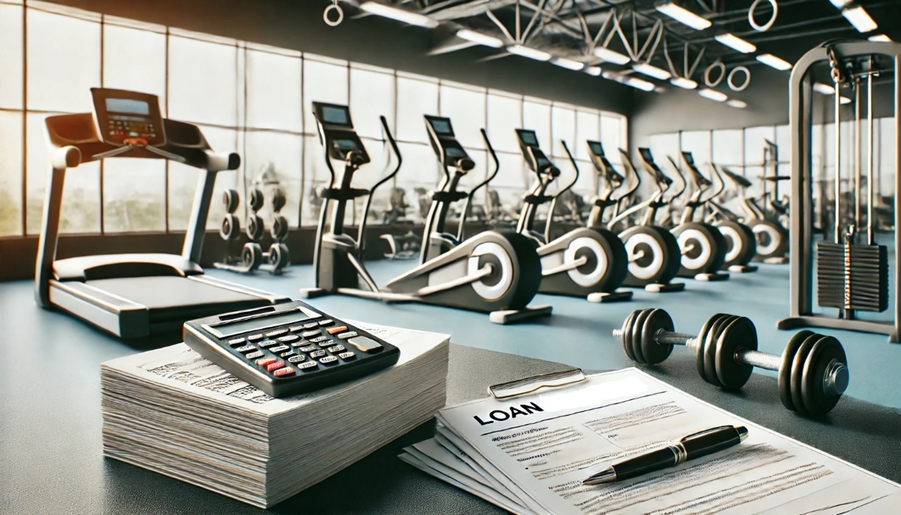
Kitting out a gym is expensive. Treadmills, racks, plate-loaded machines, cardio banks, functional-training rigs — a single studio fit-out can run well into six figures before you’ve hung a sign. Paying cash for all of it drains the working capital you need for rent, staff, and marketing in those crucial early months, which is exactly why so many gym owners finance their equipment instead. The good news: whether you’re opening your first location, expanding, or working with imperfect credit, Canada offers a real spread of financing options. Here are seven ways to fund gym equipment in 2026 without breaking the bank.
Reduce your credit card payments by up to 30–50%
CCC is a non-profit credit counselling agency. Talk to a trained counsellor for free to see if you qualify for a debt management program and explore other options for relief, so you can avoid bankruptcy. They’ll work with your creditors to lower your interest rates and stop late fees, then roll everything into one monthly payment — so you can be out of debt in as little as 36 months. They are not a loan company and do not lend money.
BBB Rating: A+Trustpilot 4.7/5 (6,900+ reviews)500,000+ Canadians helped$1B+ in debt eliminated
Talk to a Counsellor for Free →
Results vary by debt type, creditors, and budget. This page isn’t legal advice.
Quick Comparison
| Lender | Best For | Notable Terms |
|---|---|---|
| Big 5 Banks & Credit Unions | Good credit, lowest cost | Competitive rates, long terms |
| CSBFP (government-backed) | Newer gyms, limited credit | 85% federal guarantee, up to $500K for equipment |
| Swoop Funding | Comparing many lenders | Marketplace, gym-financing experience |
| Merchant Growth | Fair credit, fast cash | $5K–$800K, funding in hours |
| Driven | Quick approvals | $10K–$500K, soft credit check |
| SharpShooter Funding | Small/newer studios | Up to ~$300K, 100-day minimum |
| Journey Capital | Bad or no credit | Flexible terms, higher cost |
Why Finance Gym Equipment?
The case for financing is really a case for cash flow. Instead of sinking $120,000 into equipment on day one, you spread that cost across the gear’s working life and keep your reserves free for the things that actually fill the floor — marketing, staffing, a strong launch, and a cushion for the slow first quarter. Because the equipment secures the loan, this kind of financing is also easier to qualify for than unsecured credit, since the lender can repossess and resell the machines if things go wrong. That lower risk to them often means a lower rate for you. Financing also makes it simpler to upgrade as your membership grows, rather than being stuck with whatever you could afford upfront.
The Challenge With Bad or No Credit
Traditional banks want a strong credit history and stable financials, which is a tall order for a brand-new studio or an owner recovering from a rough stretch. Alternative lenders are more flexible and will work with weaker credit, but that flexibility comes at a price: higher rates, shorter terms, and sometimes daily or weekly repayment. The workaround many gym owners miss is that a government-backed loan (below) can bridge the gap — bank-level pricing with far more forgiving approval criteria.
The 7 Best Ways to Finance Gym Equipment
1. The Big 5 Banks and Credit Unions
Canada’s major banks — RBC, BMO, CIBC, TD, and Scotiabank — offer the most competitive rates and the longest repayment terms, making them the best choice if your credit qualifies. Credit unions deserve a serious look too: they’re often more lenient on credit history than the big banks while still offering low rates, and their relationship-based approach suits an independent gym owner. Both routes reward clean books and a solid business plan, and both can deliver the CSBFP loan described next.
2. CSBFP — The Government-Backed Loan to Ask About
Here’s the option the original version of this list missed, and it’s a big one: surveys suggest only about 16% of Canadian small businesses know the Canada Small Business Financing Program (CSBFP) exists. Your bank or credit union makes the loan while Innovation, Science and Economic Development Canada guarantees up to 85% of the lender’s losses on default — the mechanism that flips a bank’s “no” into a “yes” for a young gym without a long track record.
For equipment specifically, a borrower can access up to $1.15 million in total: up to $1 million in term loans, of which up to $500,000 can go toward equipment and leasehold improvements (that second category matters for a gym, since it covers flooring, mirrors, and build-out), plus a $150,000 line of credit. Rates are capped at your lender’s prime plus up to 3%, with a one-time 2% registration fee and a 1.25% annual administration fee. You need gross annual revenue of $10 million or less. Fitness businesses qualify, and you apply through a participating lender rather than the government — so name-drop the CSBFP with your account manager. For most gym owners, it’s the best combination of accessibility and price on this list.
Find relief in 3 easy steps
1Talk to a counsellor for free
Review your debts, budget, and credit to see if you qualify — and explore other options so you can avoid bankruptcy.
2Start when you’re ready
Once you enrol, they call your creditors to lower your interest rates and stop late fees.
3Get out of debt faster
Make one monthly payment and they distribute it to your creditors — debt-free in as little as 36 months.
Tip: have your balances, minimum payments, and monthly expenses handy.
3. Swoop Funding

Swoop is a funding marketplace rather than a single lender, matching you against banks, alternative financiers, grants, and tax credits from one application — and it has experience financing gyms specifically. For asset-based equipment needs it’s an efficient way to see what you actually qualify for, accepting almost any credit profile and moving faster than a bank. Treat its headline rate as the best case, then compare the matches it surfaces.
4. Merchant Growth
A Vancouver-based alternative lender operating since 2009, Merchant Growth has funded over $150 million to more than 1,700 Canadian businesses and is a Canadian Lenders Association member. Term financing runs $5,000 to $800,000 with funding in as little as 6 to 24 hours, and it accepts lower credit scores than a bank. Rates range from 12.99% to 39.99% with daily or weekly repayments — fast, but a cadence that can pinch during a slow membership month, so match it to your cash flow. My full Merchant Growth review has the details.
5. Driven
Driven — the rebranded Thinking Capital and one of Canada’s larger non-bank small-business lenders — offers fast, simple approvals from $10,000 to $500,000, with terms typically 3 to 18 months and a soft credit check at application. Its streamlined process suits gym owners who need equipment on the floor quickly and can’t wait out a bank’s timeline. See my Driven review for more.
6. SharpShooter Funding
SharpShooter Funding supports small and medium businesses with a quick, straightforward application and amounts up to roughly $300,000. It can approve operations with as little as 100 days of history, which helps a newer studio — but note that much of its funding is structured as merchant cash advances quoted in factor rates rather than APRs, so convert to a true annualized cost before you sign.
7. Journey Capital
Journey Capital is the option for gym owners with bad or non-existent credit, offering customizable terms built around your business rather than a rigid credit cutoff. Approvals are more accommodating than a bank’s, with the usual trade-off of higher rates or shorter repayment. It’s a CLA member; my Journey Capital review covers how it works. Beyond these named lenders, there are other online financiers competing on speed and flexibility — worth a look, but hold each to the same total-cost test.
Choosing the Right Lender
The decision comes down to cost versus access. Banks, credit unions, and the CSBFP offer the best rates and longest terms but reward strong financials — though the CSBFP is specifically built to stretch that further for newer businesses. Private alternative lenders approve faster and flex on credit, at higher cost. Whatever you’re weighing, look past the headline interest rate to the total cost of borrowing: every fee, the repayment schedule, and any penalties.
One clarification worth making, since the industry shorthand gets it wrong: several of these private lenders are Canadian Lenders Association members, but that’s membership in an industry body promoting responsible lending — not a government certification or a guarantee of a good rate. It’s a reasonable signal, not a substitute for reading the terms. If you have equipment or receivables to pledge, an asset-based loan can sometimes beat both routes on rate.
How to Qualify for Better Financing
A stronger credit profile directly lowers your rate, so if credit is the obstacle, a few months of deliberate work pays off. Pay every bill on time, consolidate debts where it simplifies management, pay down balances to lower your credit-utilization ratio, and check your credit report for errors you can dispute. My guide to improving your Canadian credit score lays out the fastest levers.
Beyond credit, keep the gym’s books clean and current — lenders scrutinize financial statements to judge stability and profitability, and consistent revenue growth lifts your approval odds. Bring a comprehensive business plan too: show how the new equipment drives membership and revenue, and back it with supporting documents like tax returns, bank statements, and equipment quotes. A complete, transparent file makes the whole review go smoother and builds the lender relationship that leads to better terms.
Deal With Existing Debt First
If your gym is already carrying debt it’s struggling to service, piling an equipment loan on top can deepen the problem rather than solve it. Address what’s there before taking on more: credit counselling can build a structured repayment plan, debt consolidation combines balances into one payment, and for heavier strain a consumer proposal lets you settle debts for less than the full amount as an alternative to bankruptcy. A non-profit credit counselling agency can review your situation for free before you commit to anything new.
The Bottom Line
The right financing keeps a gym growing without gutting its cash flow, and imperfect credit doesn’t lock you out of the market. If your credit is strong, start with a bank or credit union and ask about the CSBFP in the same conversation — that’s your cheapest realistic path, and it’s tailor-made for a business buying equipment. If your credit isn’t there yet, the alternative lenders above can still get gear on the floor fast, provided you compare at least two or three offers and understand the full cost of each. For owners in Alberta or BC, local credit unions and provincial asset-based options are worth checking too. And if you’re just getting started, my guide to startup business loans covers financing beyond equipment. Whatever you choose, weigh the total cost over the full term and pick a lender that understands the seasonal, membership-driven reality of the fitness business.
Bottom line: check your options now.
If you want one place to start, CCC is a strong option. You can get a clear recommendation based on your situation, and whether the best fit is a DMP or a principal-reduction route like a consumer proposal, they can help you move forward without bouncing between random companies.
FAQ
Can I finance used gym equipment?
Yes. Most alternative lenders and the CSBFP allow financing of new or used equipment — the CSBFP explicitly covers purchasing or improving new or used gear. Used commercial machines can stretch a budget; just confirm the lender’s rules and have the equipment inspected first.
Can I get gym equipment financing with bad credit?
Yes, at a cost. Journey Capital and SharpShooter work with weak or thin credit, and the CSBFP’s government guarantee helps newer gyms that banks would otherwise decline. Expect higher rates from private alternative lenders.
Is leasing or buying better for gym equipment?
It depends on the gear. Leasing lowers upfront cost and simplifies upgrades for fast-aging cardio machines; buying (or a loan) builds ownership in durable strength equipment with a long useful life. Compare the total cost of each over the full term.
How much can I borrow through the CSBFP?
Up to $1.15 million total, including up to $500,000 toward equipment and leasehold improvements — which for a gym can cover both machines and the build-out around them.
How fast can I get funded?
Alternative lenders can fund in as little as 6 to 24 hours (Merchant Growth) or 1 to 2 days (Driven). Banks and the CSBFP typically take a few weeks.

Mohammed Saqib has a Masters Degree from Wilfrid Laurier University in Waterloo. He has a robust background in accounting and finance. Mohammed started his career three years ago working as an investment analyst at a sell-side firm. He has extensively covered publicly-listed companies using fundamental analysis as the cornerstone of his approach. Mohammed has been published on SeekingAlpha, InvesorPlace, Yahoo! Finance and others.