
Is mounting debt keeping you up at night? Are creditors calling, collection letters piling up, or minimum payments starting to feel impossible? When money becomes an issue, it can feel like the harder you try, the worse things get.
If you are at the point where debt is no longer manageable, one of the most important professionals to understand is a Licensed Insolvency Trustee, often called a LIT.
A Licensed Insolvency Trustee can assess your situation, explain your legal debt relief options, and help you decide whether bankruptcy, a consumer proposal, credit counselling, debt consolidation, or another strategy makes the most sense. In my view, the biggest benefit is not just the paperwork. It is getting clear, regulated advice when you may feel overwhelmed and unsure what to do next.
Not Sure If You Need a Licensed Insolvency Trustee?
Before filing anything formal, it can help to compare your options. A consumer proposal, debt consolidation, credit counselling, debt settlement, or bankruptcy can all lead to very different outcomes.
I usually suggest starting with education first, especially if you are still making payments but feel like you are falling behind.
Compare Canadian Debt Relief Options
A good number of people who book a trustee consultation turn out to have options short of a proposal or bankruptcy. Consolidated Credit Canada will review your income and balances free of charge and tell you where you actually stand before you commit to anything formal.
What Is a Licensed Insolvency Trustee?
A Licensed Insolvency Trustee is a federally regulated professional who helps Canadians deal with serious debt problems. LITs are licensed by the Office of the Superintendent of Bankruptcy, which oversees Canada’s insolvency system.
LITs are the only professionals in Canada legally authorized to administer bankruptcies and consumer proposals. That matters because a lot of people struggling with debt get approached by unregulated debt consultants, lead generators, and companies that may charge extra fees without being able to file a consumer proposal or bankruptcy themselves.
In simple terms, a LIT can:
- Review your income, assets, debts, and monthly expenses
- Explain whether you qualify for a consumer proposal or bankruptcy
- Help you understand alternatives like credit counselling or debt consolidation
- Administer a consumer proposal or bankruptcy if you choose to proceed
- Communicate with creditors once a formal filing is made
- Guide you through required insolvency counselling sessions
After more than two decades of reviewing Canadian financial products and services, I have seen one mistake come up repeatedly: people wait too long before asking for help. Speaking to a LIT does not mean you have to file bankruptcy. It simply gives you a clearer picture of where you stand.
When Should You Call a Licensed Insolvency Trustee?
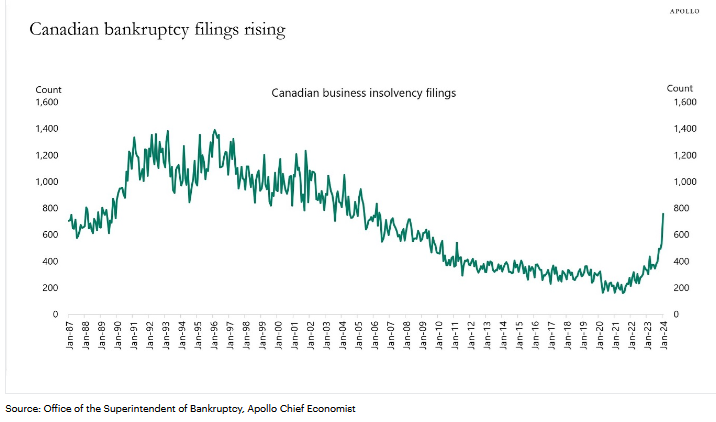
You may want to contact a LIT if your debt has moved beyond a temporary cash flow problem and into something that is affecting your day-to-day life.
Some warning signs include:
- You can only afford minimum payments
- You are using one credit card or loan to pay another
- You are missing payments or expecting to miss payments soon
- Creditors or collection agencies are contacting you regularly
- Your wages may be garnished or you are worried about legal action
- You are considering a payday loan to cover basic expenses
- You do not see a realistic way to repay your unsecured debts in full
- You are considering a consumer proposal in Canada or personal bankruptcy
If you are still unsure, our guide on bankruptcy alternatives in Canada may help you understand what to look at before making a formal insolvency decision.
What Services Are Offered by a Licensed Insolvency Trustee?
The primary services provided by a LIT are administering consumer proposals and bankruptcies. Both can help someone deal with overwhelming debt, but they work differently and have different consequences.
The Office of the Superintendent of Bankruptcy provides official information comparing debt solutions, including consumer proposals and bankruptcies. The main point is that these are formal legal processes, not casual repayment plans.
Consumer proposal vs. bankruptcy: quick comparison
| Feature | Consumer Proposal | Bankruptcy |
|---|---|---|
| Who administers it? | Licensed Insolvency Trustee | Licensed Insolvency Trustee |
| How it works | You offer to repay part of what you owe, extend the time to pay, or both. | You assign certain assets to the trustee and complete required duties to be discharged from bankruptcy. |
| Assets | Often allows you to keep more assets, depending on your situation. | You may have to surrender some non-exempt assets. |
| Payments | Usually fixed monthly payments. | Payments may change depending on income, including surplus income rules. |
| Credit impact | Negative impact, but often viewed as less severe than bankruptcy. | Usually more severe credit impact. |
| Best for | People who can afford a reduced monthly payment and want to avoid bankruptcy. | People with no realistic ability to repay their debts through other options. |
In many cases, a consumer proposal is less severe because you may be able to keep more assets and make fixed payments. Bankruptcy may be more appropriate when your debt load is too high, your income is too low, or a proposal is not realistic.
To learn more about whether a consumer proposal is right for you, please see our Consumer Proposal Guide. That article breaks down how a consumer proposal works, the role of a LIT, and what Canadians should understand before filing.
What Does It Cost to Consult With a Licensed Insolvency Trustee?
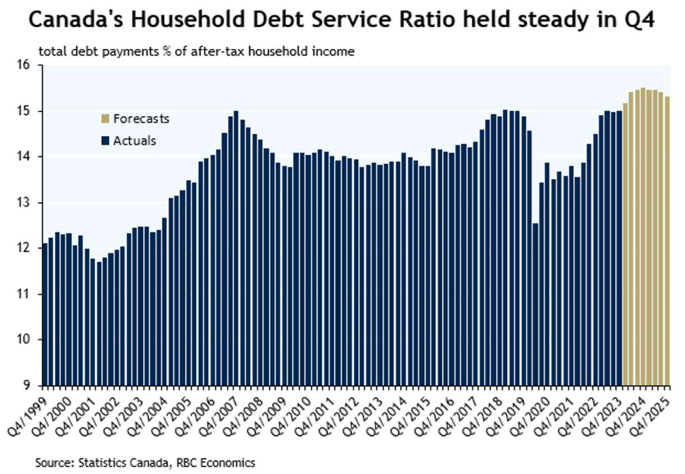
The first consultation with a Licensed Insolvency Trustee is generally free. If you decide to move forward with a consumer proposal or bankruptcy, the fees are regulated as part of the insolvency process.
This is an important distinction. A LIT is not the same thing as an unregulated debt consultant charging an upfront fee just to refer you somewhere else. If you are considering a formal insolvency option, you can verify a trustee through the official OSB website.
When you file for bankruptcy, you must disclose your income, expenses, assets, and debts. Your final cost depends on your situation, including whether you have surplus income, what assets you own, and how long the bankruptcy lasts.
With a consumer proposal, the LIT’s fees are built into the proposal payments. In other words, if creditors accept your proposal, you make the agreed payments through the trustee and the trustee distributes funds to creditors after regulated fees are accounted for.
My take: If someone asks you to pay a large upfront fee before you have spoken directly with a Licensed Insolvency Trustee, slow down and verify who you are dealing with. In this industry, the title and licensing really matter.

Licensed Insolvency Trustee vs. Credit Counsellor vs. Debt Settlement Company
One reason debt relief feels confusing is that many services sound similar. A LIT, credit counsellor, debt settlement company, and lender may all talk about reducing debt stress, but they do not do the same thing.
| Option | What It Can Do | What to Watch For |
|---|---|---|
| Licensed Insolvency Trustee | Can administer consumer proposals and bankruptcies. | Formal insolvency options affect your credit and should be considered carefully. |
| Credit Counsellor | Can help with budgeting, education, and debt management plans. | A debt management plan usually requires repaying your debts, although interest relief may be possible. |
| Debt Settlement Company | May negotiate with creditors to settle debts for less than owed. | Results are not guaranteed, fees can vary, and missed payments can hurt your credit. |
| Debt Consolidation Loan | Combines multiple debts into one loan payment. | You still owe the full balance, and approval can be difficult with damaged credit. |
The Financial Consumer Agency of Canada has a helpful overview of getting help from a credit counsellor, including how debt management plans work. If you are comparing informal and formal options, our article on debt consolidation vs. consumer proposal in Canada is also worth reading.
Overwhelmed by Debt? Compare the Main Paths First
A LIT can help when debt has become severe, but bankruptcy or a consumer proposal is not always the first option to look at. If you still have income and want to understand credit counselling, consolidation, and debt relief options, start by comparing the alternatives.
Read Our Consolidated Credit Canada Review
A consumer proposal stays on your credit report for three years after you complete it, and a bankruptcy longer than that. A debt management program carries no insolvency record at all. If your income can still support structured repayment, it is worth knowing what both would cost.
Are There Free Tools to Increase My Credit Knowledge?
Yes. If you are learning from past mistakes or want to develop better credit habits, Borrowell is a free service that may fit your needs. The fintech provides free credit scores and report monitoring to Canadians.
The three main advantages of Borrowell Canada include:
- Monitor and track: Keep an eye on your credit score and credit report activity.
- Understand and improve: Learn what may be affecting your credit profile.
- Find relevant products: Review product suggestions based on your financial profile.
By monitoring your credit report, you can track your progress, flag errors, and spot suspicious activity. Borrowell also provides access to an AI-powered Credit Coach named Molly, who gives users personalized tips, articles, and tools to become more credit-conscious.
Of course, there is no obligation to purchase anything, and you can use the company’s credit-building resources for free. For more information on what Borrowell has to offer, please see our Borrowell Credit Report Review.
How to Find a Licensed Insolvency Trustee in Your Province
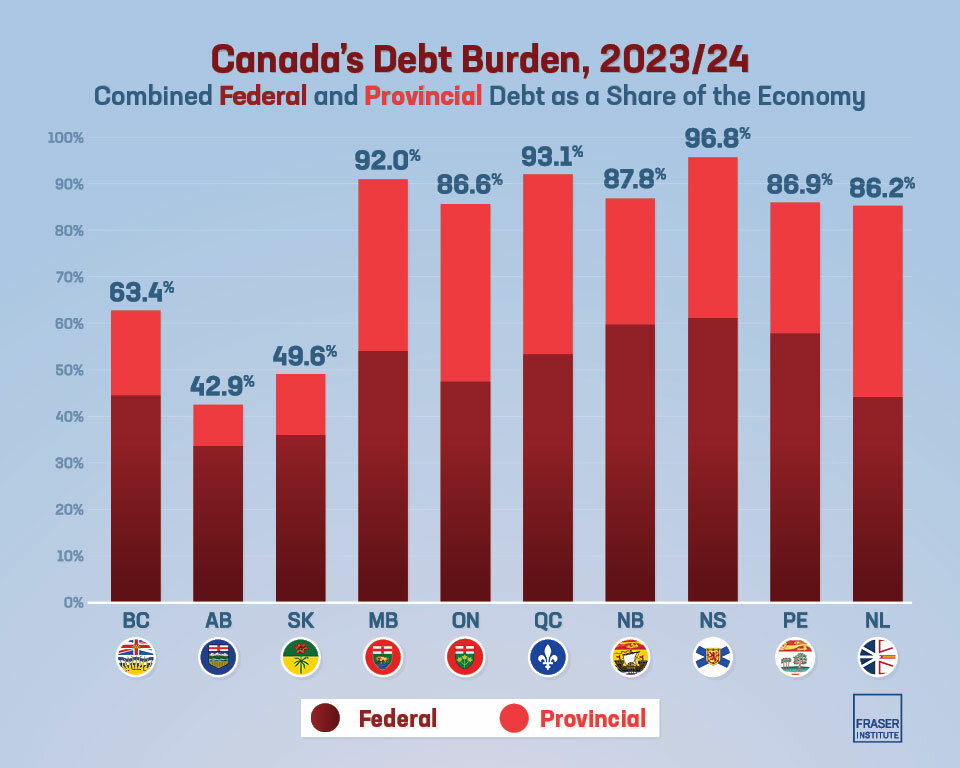
When debt becomes unmanageable, it is usually best to seek local advice. You can search for a trustee through the official OSB directory, and you can also review the contact information below for LITs located in major Canadian cities.
This list is not a ranking, and it is not a recommendation to choose one trustee over another. Always verify the trustee’s licence, ask questions during the consultation, and make sure you understand the consequences before filing anything formal.
If you are mainly dealing with collection calls, you may also want to read our guide to debt collection laws in Ontario. Even though collection rules vary by province, it is useful background if creditors are contacting you aggressively.
Licensed Insolvency Trustees by Major Canadian City
Montreal, Quebec
Pierre Roy & Associés
- Phone Number: 1-514-375-1965
- Address: 3982 Wellington St Bureau 205, Verdun, Quebec H4G 1V3
- Website: Pierre Roy & Associés
Toronto, Ontario
Hoyes, Michalos & Associates
- Phone Number: 1-416-815-7515
- Address: 8 King St E #800, Toronto, ON M5C 1B5
- Website: Hoyes, Michalos & Associates
SPERGEL
- Phone Number: 1-416-778-8813
- Address: 307A Danforth Ave, Toronto, ON M4K 1N7
- Website: SPERGEL
Morataya Corp
- Phone Number: 1-416-784-0904
- Address: 3200 Dufferin St Suite #307, Toronto, ON M6A 3B2
- Website: Morataya Corp
Fong & Partners Inc
- Phone Number: 1-416-260-3264
- Address: 2 Carlton St. #1007, Toronto, ON M5B 1J3
- Website: Fong & Partners Inc
Moncton, New Brunswick
Allan Marshall & Associates
- Phone Number: 1-506-384-7850
- Address: 505A St. George St, Moncton, NB E1C 1Y4
- Website: Allan Marshall & Associates
MNP Debt
- Phone Number: 1-506-805-0174
- Address: 272 St. George St Suite 200, Moncton, NB E1C 1W6
- Website: MNP Debt
Powell Associates Ltd.
- Phone Number: 1-506-870-8277
- Address: 500 St. George St, Moncton, NB E1C 1Y3
- Website: Powell Associates Ltd.
Halifax, Nova Scotia
Powell Associates Ltd.
- Phone Number: 1-902-403-3602
- Address: 2 Ralston Ave Suite 100, Dartmouth, NS B3B 1H7
- Website: Powell Associates Ltd.
MNP Debt
- Phone Number: 1-902-454-7934
- Address: 6080 Young St Suite 912, Halifax, NS B3K 5L2
- Website: MNP Debt
Grant Thornton Limited
- Phone Number: 1-902-453-6600
- Address: 1675 Grafton St Suite 1000, Halifax, NS B3J 0E9
- Website: Grant Thornton Limited
Allan Marshall & Associates
- Phone Number: 1-902-425-7850
- Address: 362 Lacewood Dr #207, Halifax, NS B3S 1M7
- Website: Allan Marshall & Associates
Charlottetown, Prince Edward Island
MNP Debt
- Phone Number: 1-902-892-2010
- Address: 230 Belvedere Ave, Charlottetown, PE C1A 6X8
- Website: MNP Debt
Allan Marshall & Associates
- Phone Number: 1-902-894-7851
- Address: 410 Mt Edward Rd Unit#1, Charlottetown, PE C1E 2A1
- Website: Allan Marshall & Associates
Grant Thornton Limited
- Phone Number: 1-902-566-4381
- Address: 98 Fitzroy St Suite 410, Charlottetown, PE C1A 7K4
- Website: Grant Thornton Limited
St. John’s, Newfoundland and Labrador
Janes & Noseworthy Limited
- Phone Number: 1-709-364-8148
- Address: 516 Topsail Rd #201, St. John’s, NL A1E 2C5
- Website: Janes & Noseworthy Limited
S.R. Stack & Company Ltd.
- Phone Number: 1-709-221-5500
- Address: 86 Elizabeth Ave, St. John’s, NL A1A 1W7
- Website: S.R. Stack & Company Ltd.
Winnipeg, Manitoba
MNP Debt
- Phone Number: 1-204-336-6167
- Address: 242 Hargrave St 12th Floor, Winnipeg, MB R3C 0T8
- Website: MNP Debt
Grant Thornton Limited
- Phone Number: 1-204-594-7160
- Address: 200 Portage Ave Suite 500, Winnipeg, MB R3C 3X2
- Website: Grant Thornton Limited
Lazer Grant
- Phone Number: 1-204-977-3501
- Address: 309 McDermot Ave Suite 300, Winnipeg, MB R3A 1T3
- Website: Lazer Grant
C. Buhler & Associates Ltd.
- Phone Number: 1-204-819-4141
- Address: 1460 Chevrier Blvd #200, Winnipeg, MB R3T 1Y6
- Website: C. Buhler & Associates Ltd.
Saskatoon, Saskatchewan
Calgary, Alberta
MNP Debt
- Phone Number: 1-403-538-3187
- Address: 112 4 Ave SW Suite 2000, Calgary, AB T2P 0H3
- Website: MNP Debt
Bromwich+Smith
- Phone Number: 1-855-884-9243
- Address: 800 5 Ave SW #800, Calgary, AB T2P 3T6
- Website: Bromwich+Smith
Cameron Okolita
- Phone Number: 1-403-543-3100
- Address: 115 9a St NE, Calgary, AB T2E 9C5
- Website: Cameron Okolita
Hudson & Company
- Phone Number: 1-403-265-4357
- Address: 625 11 Ave SW Suite 200, Calgary, AB T2R 0E1
- Website: Hudson & Company
Vancouver, British Columbia
Sands & Associates
- Phone Number: 1-604-684-3030
- Address: 1100 Melville St Suite 1370, Vancouver, BC V6E 4A6
- Website: Sands & Associates
MNP Debt
- Phone Number: 1-604-639-0001
- Address: 609 Granville St #1630, Vancouver, BC V7Y 1E7
- Website: MNP Debt
Grant Thornton Limited
- Phone Number: 1-604-689-4255
- Address: 333 Seymour St Suite 1580, Vancouver, BC V6B 0A4
- Website: Grant Thornton Limited
D Thode & Associates Inc.
- Phone Number: 1-604-336-9533
- Address: 1055 W Hastings St #300, Vancouver, BC V6E 2E9
- Website: D Thode & Associates Inc.
Yellowknife, Northwest Territories
C. Buhler & Associates Ltd.
- Phone Number: 1-855-352-3733
- Address: 5016 47 St, Yellowknife, NT X1A 1M1
- Website: C. Buhler & Associates Ltd.
Iqaluit, Nunavut
C. Buhler & Associates Ltd.
- Phone Number: 1-855-352-3733
- Address: Not listed
- Website: C. Buhler & Associates Ltd.
Whitehorse, Yukon
MNP Debt
- Phone Number: 1-250-979-2580
- Address: 411 Main St, Whitehorse, YT Y1A 2B6
- Website: MNP Debt
Trustee firms I have looked at in detail
If you would rather see how specific firms compare before you pick up the phone, I have gone through these in depth, including their fee structure, their review scores and the situations where they are the wrong choice:
- Hoyes Michalos, an Ontario-only practice licensed since 1999, running 42 locations and holding the deepest review record of any trustee I track
- Spergel, a long established Toronto practice
- Bromwich+Smith, strongest if you are in Western Canada
- BDO Debt Solutions, the insolvency arm of a national accounting firm with offices in most provinces
One thing to keep in mind as you compare them: trustee fees on a consumer proposal are fixed by federal tariff, so not one of these firms can charge you more or less than another. You are choosing on access, responsiveness and experience, never on price.
What to Ask Before Choosing a Licensed Insolvency Trustee
A free consultation is your chance to slow things down and ask practical questions. I would not treat the first call as a commitment. Treat it as an information-gathering session.
Here are a few questions worth asking:
- Are you personally licensed as a Licensed Insolvency Trustee?
- Can I verify your licence through the OSB?
- Do I qualify for a consumer proposal?
- What would bankruptcy look like in my situation?
- What assets could I keep?
- How would this affect my credit report?
- What happens to collection calls after filing?
- What are the total costs and how are trustee fees paid?
- Are there non-insolvency options I should consider first?
If most of your debt is credit card debt, you may also want to read our guide on credit card debt in Canada. It covers practical options before balances get completely out of control.
Conclusion: A Licensed Insolvency Trustee Can Help, But Know Your Options First
When debt problems have you struggling to stay afloat, you do not need to suffer alone. Consulting with a Licensed Insolvency Trustee can help you understand your legal options, stop guessing, and build a practical plan.
That said, I would not automatically jump to bankruptcy or a consumer proposal without understanding the full picture. Depending on your income, credit, debt size, and goals, you may also want to consider credit counselling, a debt management plan, debt consolidation, or a structured repayment plan.
The key is to avoid panic decisions. Get regulated advice, compare your options, and make sure the path you choose actually fits your financial situation.
Start With the Option That Fits Your Situation
If you are not sure whether you need a Licensed Insolvency Trustee, credit counsellor, debt consolidation loan, or another debt relief strategy, compare the major Canadian options before making a formal decision.
If you are weighing a licensed insolvency trustee against the alternatives, a short conversation costs nothing and narrows the decision down quickly.
FAQ About Licensed Insolvency Trustees in Canada
What is a Licensed Insolvency Trustee?
A Licensed Insolvency Trustee is a federally regulated professional licensed by the Office of the Superintendent of Bankruptcy. LITs are the only professionals in Canada authorized to administer consumer proposals and bankruptcies.
Is it free to speak with a Licensed Insolvency Trustee?
The first consultation is usually free. If you move forward with a consumer proposal or bankruptcy, trustee fees are regulated and built into the formal insolvency process.
Does talking to a Licensed Insolvency Trustee mean I have to file bankruptcy?
No. Speaking with a LIT does not mean you have to file bankruptcy or a consumer proposal. The consultation is a chance to review your financial situation and understand your options.
Can a Licensed Insolvency Trustee stop collection calls?
If you file a consumer proposal or bankruptcy, a legal stay of proceedings generally stops most unsecured creditors from continuing collection action. Before filing, a LIT can explain how this would apply to your situation.
What is the difference between a Licensed Insolvency Trustee and a debt consultant?
A LIT is federally licensed and regulated. A debt consultant may not be licensed to administer consumer proposals or bankruptcies. If someone is charging fees before connecting you with a trustee, verify what service they actually provide.
Is a consumer proposal better than bankruptcy?
A consumer proposal may be better if you can afford a reduced monthly payment and want to avoid bankruptcy. Bankruptcy may be more appropriate if repayment is not realistic. The right choice depends on your income, assets, debt level, and creditor situation.
Will a Licensed Insolvency Trustee hurt my credit score?
Talking to a LIT does not hurt your credit score. Filing a consumer proposal or bankruptcy will affect your credit report. A trustee can explain how long the impact may last and what rebuilding credit can look like afterward.
What should I bring to my first LIT consultation?
Bring or prepare a list of your debts, creditors, monthly income, expenses, assets, and any collection notices or legal letters you have received. The more complete your information is, the more useful the consultation will be.
Can I choose a Licensed Insolvency Trustee in another city or province?
Many LIT firms serve clients across multiple locations and may offer phone or virtual consultations. However, insolvency rules and practical processes can vary, so it is still worth confirming whether the trustee regularly works with clients in your province or territory.
How do I verify that someone is a real Licensed Insolvency Trustee?
You can verify a Licensed Insolvency Trustee through the Office of the Superintendent of Bankruptcy. If you are not sure whether someone is licensed, check before signing documents or paying fees.

Alex Demolitor is a financial writer hailing from Halifax. Alex has a Bachelors Degree from King's College and passed the CFA Exam Level III. He specializes in fundamental analysis of the stock, bond, commodity, and FX markets. He also covers US & Canadian economic indicators. He has been published on many financial publications, including Investing.com, FXEmpire and others.