If you are trying to work out whether debt relief is worth it, the question underneath is almost always the same: how much is the interest actually costing me, and what would change if it stopped. So rather than describe the options, I built a calculator that shows you the four main routes side by side on your own numbers. Put your balance, your rate and what you can realistically pay into the boxes below and the comparison updates as you type.
The calculator shows the shape of the answer. A free twenty minute assessment with Consolidated Credit Canada tells you which route you actually qualify for, at no cost and with nothing to sign.
Enter your three numbers and the table updates as you type. Everything is worked out in your browser and nothing is sent anywhere.
How to read what the calculator just told you
Four routes, four very different outcomes, and the gap between them is almost entirely interest.
- Carry on as you are. Your payment at your current rate. If the monthly figure does not cover the interest, the calculator says so plainly, because at that point the balance grows regardless of how long you keep paying.
- Debt management plan. This assumes the interest is cut to nothing, which is the normal outcome when a nonprofit counsellor negotiates with your creditors, and that you keep paying the same amount. You repay every dollar of principal, nothing is written off, and nothing is filed in court.
- Consolidation loan over five years. One loan at the rate you enter, paid over 60 months. Change the rate box to whatever you have actually been quoted rather than the default, because that is the number that decides whether this route helps at all.
- Consumer proposal illustration. This settles a share of the balance over five years. The 30% default is an illustration, not a quote. A real offer depends on your income, your assets and what your particular creditors will accept, and only a Licensed Insolvency Trustee can tell you that.
One number worth noticing in your own results: if the debt management plan line clears inside five years, that is usually the route to take even when a proposal shows a lower total. Plans finish cleaner. A plan comes off your credit report two years after the debts are paid, where a proposal stays three years after the final payment and a bankruptcy six years after discharge, according to the Financial Consumer Agency of Canada.
Debt relief by province and territory
What you can access, and what you would keep if the worst happened, depends heavily on where you live. Bankruptcy exemptions range from $50,000 of protected home equity in Saskatchewan down to none at all in Prince Edward Island, and three provinces have a court supervised consolidation route that the rest of the country does not. Pick your province below for the local version.
| Province or territory | Local detail worth knowing | Guide |
|---|---|---|
| Alberta | Orderly Payment of Debts at a 5% capped rate, run by Money Mentors | Read the Alberta guide |
| British Columbia | Strong credit union options and a crowded commercial market | Read the British Columbia guide |
| Saskatchewan | The most generous exemptions in Canada and a foreclosure mediation step | Read the Saskatchewan guide |
| Manitoba | Home equity protected only to roughly $2,500 in a bankruptcy | Read the Manitoba guide |
| Ontario | The deepest market and the most competition for your attention | Read the Ontario guide |
| Quebec | Three year prescription period and licensed debt settlement firms | Read the Quebec guide |
| Nova Scotia | Collectors limited to three contacts in seven days | Read the Nova Scotia guide |
| New Brunswick | Collection agencies are licensed, debt settlement firms are not | Read the New Brunswick guide |
| Prince Edward Island | No home equity exemption at all in a bankruptcy | Read the PEI guide |
| Yukon | Remote delivery and a small local market | Read the Yukon guide |
| Northwest Territories | Cost of living changes what a plan can realistically ask of you | Read the NWT guide |
City level guides are available for Calgary, Edmonton and Ottawa as well.
Which route suits which situation
- The interest is the problem, not the principal. A debt management plan is almost always the cheapest outcome. If you live in Alberta, Nova Scotia or PEI, ask about Orderly Payment of Debts too.
- Your credit is still good and a lender will beat your blended rate. Take the consolidation loan and close the cards.
- Even with zero interest the balance takes more than five years. Price a consumer proposal with a Licensed Insolvency Trustee.
- There is no realistic path to repaying any meaningful share. Bankruptcy, but only after somebody has priced the alternatives for you.
- You are not sure which bucket you are in. That is what the free assessment is for, and it is the most common honest answer.
If a proposal is the direction you are heading, there is a dedicated consumer proposal calculator on the site that works the offer out from your income, your household size and the 2026 surplus income thresholds, which is how a trustee actually does it.
If you want the broader picture before you narrow down, my roundup of the best debt consolidation and relief programs in Canada compares the main providers, and how to reduce debt in 2026 covers the ground from credit cards through to CRA arrears.
You now know roughly what each route would cost you. The next step is finding out which one you actually qualify for, and that is a free conversation rather than an application. No fee, no credit check to get an opinion, and nothing to sign at the end of the call.
Frequently asked questions
How accurate is this debt relief calculator?
What interest rate should I enter?
Is a debt relief calculator the same as a consumer proposal calculator?
Does using a debt calculator affect my credit score?
What is the difference between a debt management plan and debt consolidation?
How much debt do you need for debt relief to be worth it?
Will debt relief stop collection calls and wage garnishment?
Which provinces have extra debt relief programs?
All our debt relief guides
Everything we have published on debt relief, consolidation, consumer proposals and the companies that offer them:
BDO Debt Solutions Review (2026): Legit, and Who Is It Actually For?

LendCare Canada Review: Should You Get a Loan or Financing With Them?
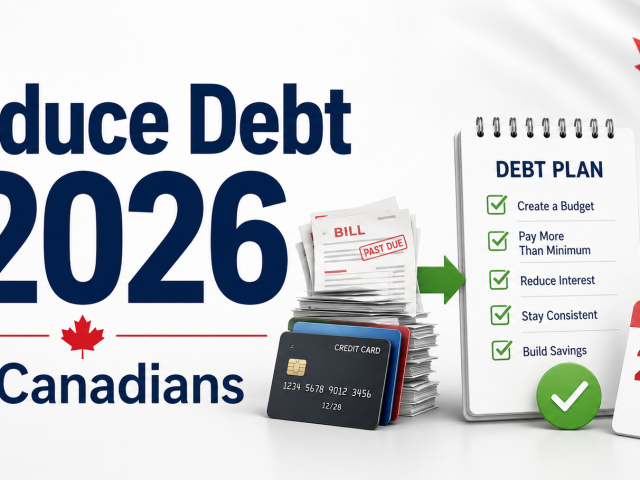
How to Reduce Debt in 2026? (Credit Card, CRA Tax Debt, etc) A Guide for Canadians.

Koho Credit Building Review – Is It Legit in 2026?
Harris & Partners Review (2026): Is This Licensed Insolvency Trustee Right for You?

Nyble – Legit for Loans & Credit Building? (2026 Review)

What are Bree Loans? Should You Get One? Read Our Review…

Money Mentors – Best Choice in Alberta for Debt Relief? Read Our 2026 Review…

Can You Get a Payday Loan in Canada While In a Consumer Proposal? Pros & Cons Reviewed
Credit Card Debt in Canada: What To Do If Your Balances Are Getting Out of Control
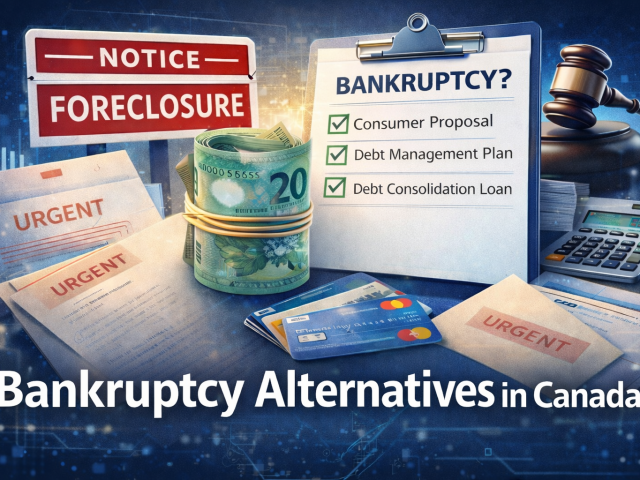
Bankruptcy Alternatives in Canada: 7 Options I’d Look At First Before Filing

Farber Debt Solutions – We Review This Canadian Licensed Insolvency Trustee (2026 Update)
Spring Financial – We Review Their Loans, Interest Rates & Complaints in Canada.
5 Things to Know About Debt Collection Laws in Ontario
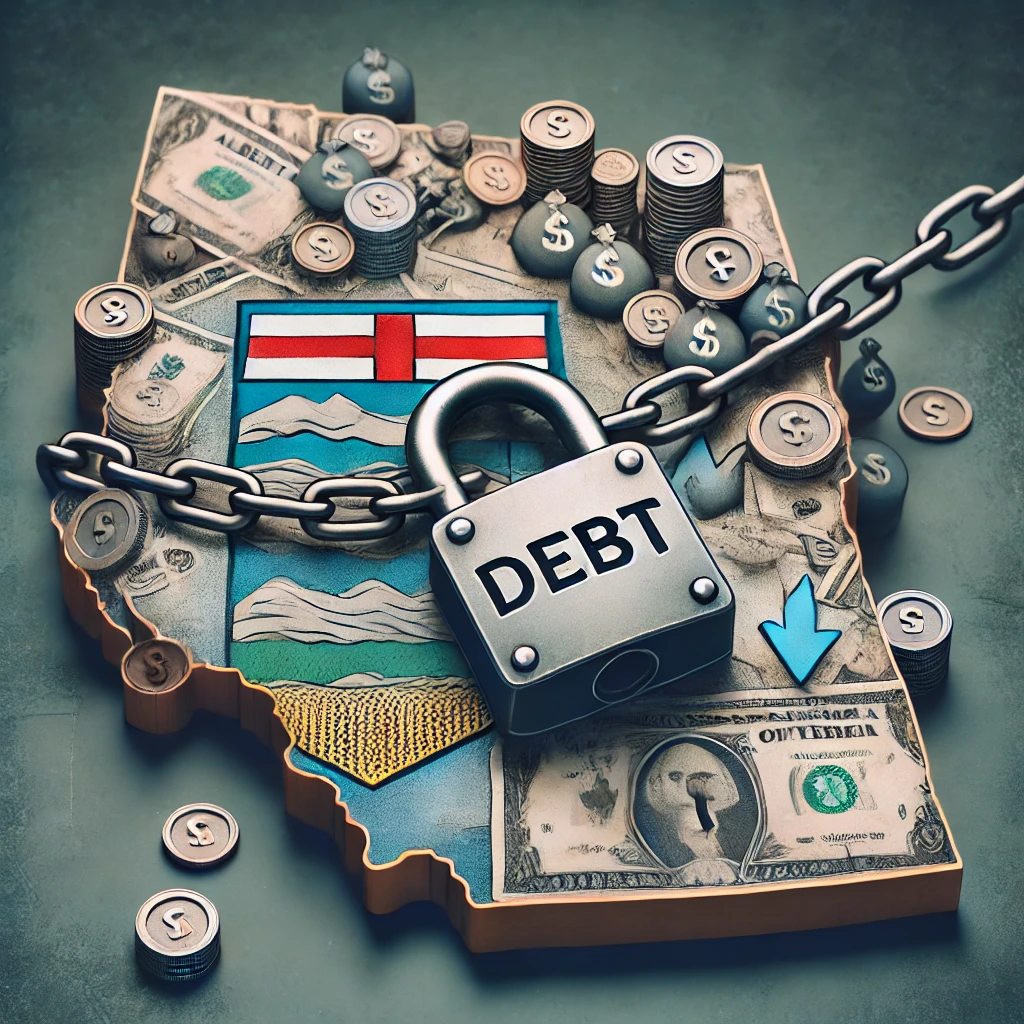
How to File a Consumer Proposal in Alberta? See Alternatives, Costs, etc.

What Is a Consumer Proposal in Canada and Who Is It For?
This page is general information, not financial or legal advice. Debt and insolvency rules change and every file is different. Speak to a licensed credit counsellor or a Licensed Insolvency Trustee before you commit to anything.